
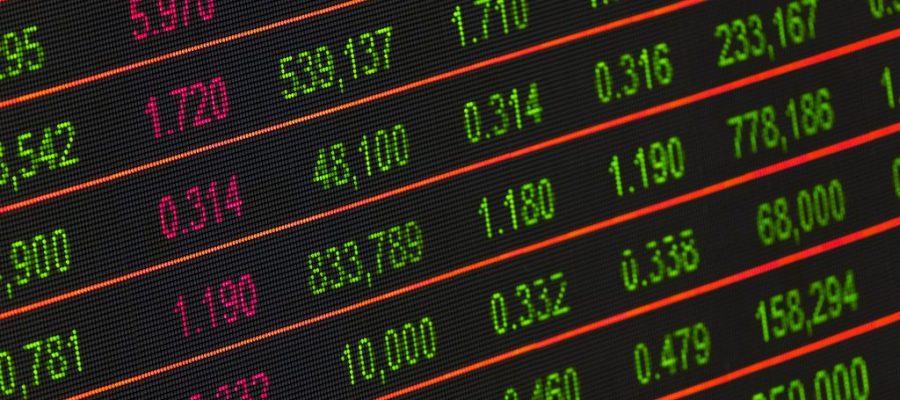
The exchange rate or the exchange rate, as is also called, means the price of the currency of a country expressed in the currency of another country. In particular, the exchange rate represents the price on which a currency changes with the currency, that is, the relationship between the national and currency. In our case, the foreign currency means the Romanian lion in relation to currency such as the euro, the dollar, the pound, etc. And the relationship between them.
The exchange rate can be fixed or flexible, but the cases in which the exchange rate is fixed are rare. A concrete example of this situation, which occurs only if two countries agree on a fixed exchange rate, was between the United States and the United Kingdom, when the price of a gold was established.
Nowadays, the value of each currency is given by its purchasing power, that is, by the economy of the respective country.
Types of exchange rate
The exchange rate or the exchange rate presents 2 modules: the official exchange rate and the market exchange rate.
The official exchange rate, also called a reference exchange rate, is established by the National Bank of Romania (BNR) based on the relationship between the request and the supply of currencies.
The BNR exchange rate is published on the current day, until 13:00 and valid for the next day. It is worth remembering that it is a reference course, that is, it does not determine the exchange rate within the banks or houses in foreign currency, but it is the value to which these entities are reported.
The market exchange rate is formed at the interbanca level, relating to the supply and supply and is the exchange rate that you find displayed in the banks of the banks.
Types of market currency course
 The market exchange rate has 2 dimensions: Quote from offer and request quote.
Bid quotation indicates the purchase rate and this reflects the price of market demand for the respective currency. The purchase rate is the price at which the bank or currency gearbox acquires the currency.
Ask the quote indicates the sales course and is determined by the orders of a currency purchase customer. The sales course is the price at which the bank or change of currency sells currency.
What factors do they influence the course?
The exchange rate is determined by the demand and demand of foreign currency, being valid only in a free market. The large currency offer with its price will decrease and the national currency will be appreciated, while a high demand for currency means that its price will increase, depreciating the national currency.
There are factors that have direct influence on the exchange rate, producing evident fluctuations or differences in a generally short time.
Internal factors
The factors that influence the exchange rate can be cheap and among these are the quality of the goods and services or the volume of production. The factors can also be monetary in nature, such as purchasing power, credits in the respective country, interest rate or budget deficit.
In addition, among the internal factors that influence the exchange rate there are social and political factors. As for political decisions, among those who have an effect on the exchange rate there are long -term development projects and legislative stability.
External factors
In the category of external factors that influence the exchange rate, it enters the relationship between supply and demand as regards the currencies exchanged all over the world, as well as political and social factors globally. The political facets refer to military conflicts or alliances between countries around the world. In addition, external factors include economic factors such as economic crises in partner areas.
In addition to these factors, there are some aspects that influence the exchange rate, including speculative actions, which can destabilize the exchange rate through infusions or massive withdrawals in a short time. The variations of the inflation of a country, in particular in the case of greater inflation, which emphasize the oscillations of the exchange rate and the national currency loses its value.
In addition, the intervention of the Central Bank, through infusions or liquidity withdrawals, is another factor that influences the exchange rate. The central bank can also act through significant purchases or sales, these actions are, most of the time, only in exceptional cases.
latest posts published

8 consejos para ahorrar dinero de los fans de Swedbank
Short term loans: free cheese – only in mousetraps
What are the ten most popular excuses for late debt repayment?
Eight ways to earn extra with smart sharing
8 questions and answers on the division of assets
The dangers of virtual space: how not to fall into the trap
9 tips for responsible shopping | blog…lt
6 steps after divorce | blog…lt
9 Financial Promises for 2013 | blog…lt