
The uncertainty and volatility of the market
The uncertainty and volatility of the market are important in the economy and investments, which significantly influence investors’ decisions and the management of the global economy.
 The factors that contribute to uncertainty and volatility may vary according to the specific economic context. A recent example is Pandemia Covid-19, which has generated a significant increase in uncertainty and volatility on global markets. This unexpected event led to enormous price fluctuations and created an climate of uncertainty for investors. Other factors may include political changes, such as choices or implementation of new policies or economic events, such as financial crisis or recessions.
During the pre -electoral period, the uncertainty about who will win and which policies will be implemented can create volatility on the financial markets. Investors tend to be cautious, which can lead to fluctuations of the value of the dollar. Look at how much a dollar means in her, with a currency converter.
Tax policies
Changes in tax policy can have a significant impact on the economy. For example, tax reductions can stimulate expenses and investments.
Tax policy also has a close relationship with inflation. An expansive tax policy, which provides for the increase in public spending or reduction of taxes, can increase inflation. This happens because an increase in expenses can lead to an increase in the demand for goods and services, which can lead to an increase in prices.
The chosen candidate can implement several tax policies, such as changes in taxes and government expenses. For example, a candidate who promotes tax reductions and tax incentives can increase the budget deficit, which can lead to the devaluation of the dollar. On the other hand, a candidate who proposes austerity measures could strengthen the dollar reducing the deficit. Discover the quote in currency of the dollar.
Commercial policies
Commercial policies are a series of rules and regulations that govern international trade. These can include rates, probability, embargos and different regulations.
The choice of a president with a stopped position on international trade can affect the dollar. For example, protectionist policies (such as high import rates) can lead to a short -term appreciation in dollars, but they could have long -term negative effects on the global economy and on the value in dollars.
Monetary policies
Monetary policies represent the tools with which a central bank achieves its main objective: price stability. They include a series of measures that include control of the amount of money circulating in the economy and influencing the interest rate. For example, when the economy is expanding, the central bank can decide to increase the interest rate to prevent overheating of the economy and potential inflation. Otherwise, in periods of recession, the central bank can reduce the interest rate to stimulate expenses and investments, which can increase the economy.
Although monetary policies are managed by the Federal Reserve (Fed), the President has an indirect influence on them with the appointments within the Fed. A president who favors the lowest interest rates can contribute to the devaluation of the dollar, while one who supports higher rates could help you appreciate it.
Political stability and trust trust
Political stability plays an important role in attracting and maintaining foreign investors. Investors are looking for markets that offer safety and predictability and perceive any instability as a greater risk for their investments.
In case of political instability, investors can withdraw or reduce their investments, which can generate a decrease in the value of the dollar and lead to inflation or an economic recession.
A president who inspires trust and stability can have a positive effect on the dollar, because global investors tend to prefer the currencies of countries with stable governments. On the contrary, a president perceived as controversial or unstable can generate uncertainty and can lead to the devaluation of the dollar.
Recent examples:
- The 2016 elections: the choice of Donald Trump initially led to an appreciation of the dollar due to its promises of fiscal stimulation and reduction of taxes, but the protectionist commercial policies subsequently generated uncertainty;
- The 2020 elections: Joe Biden’s victory brought expectations for enormous tax expenses and a calmer approach to international relations, which had conflicting effects on the dollar.
The American presidential elections have a considerable impact on the value of the dollar, generating volatility on the market and changes in tax, commercial and monetary policies.
latest posts published
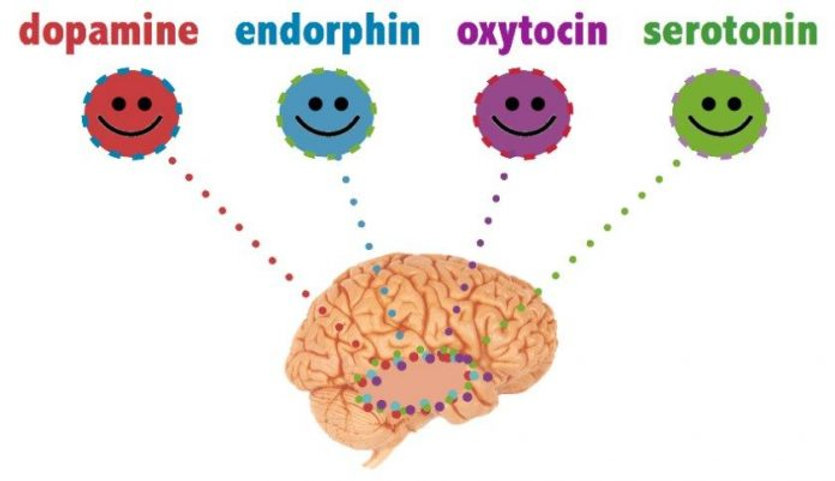
Hormones that determine financial behavior while making decisions under their influence

Payment methods Credits for consumption are getting rid of debt

Financial education for beginners – Cursvalutar.ro

What are the banking guarantees and what risks has a guarantor
Credit Bureau – Everything you need to know

Comfortable contract: taxes and exemptions

What they are and how it works
Strategies to withdraw money from investments
How to have a day without spending?