
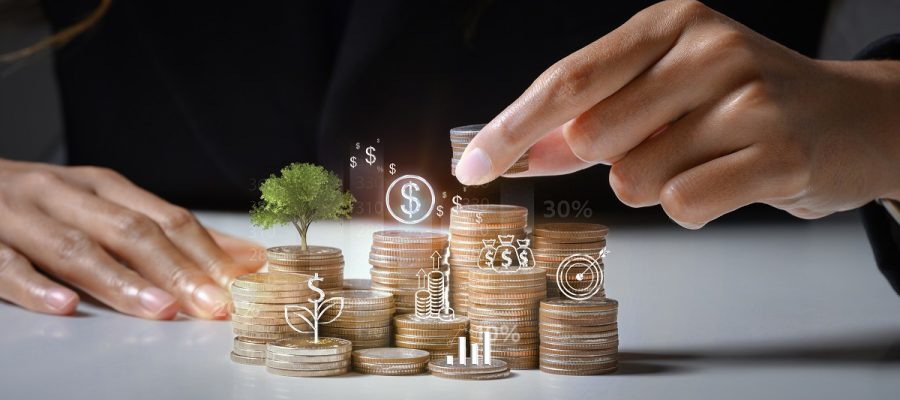

The money does not bring happiness, with their number … says an old saying, always today. For a balanced and silent life, you need effective strategies to help you save the necessary amounts, shortly, medium and long term. Here’s how to put the money aside intelligently, adapted to your financial situation:
Establishes clear financial objectives
Defining precise financial objectives, such as savings for a holiday, advancement for a home or an emergency fund, gives you a clear reason to save and help you focus on this purpose. The establishment of clear objectives is the basis of effective savings. Without a precise direction, financial planning can become a motivational task.
Create a detailed budget
Establish a monthly budget, to know exactly how much money you earn and how to spend it. Note all the voices and exits of money strictly, to have an overview of financial dynamics. The identification of essential and non -essential expenses will allow to optimize the available resources. It will also help you identify the areas in which it is possible to reduce allocated amounts.
Automatically automates
Set automatic transfers in a saving account every time you receive your salary. In this way, economies will be a priority and you will not be tempted to spend that money. In addition, due to the composition effect, the accumulated economies will increase over time, without further efforts. Last but not less important, establishing an automatic savings plan, a constant and regular savings are ensured, which is essential for long -term financial success.
Create an emergency fund
You need a sum of money for unexpected events, as a loss of work, a sudden disease or other emergency situations that can cause significant financial disorders. An emergency fund will help you avoid risky loans or exhaustion of savings intended for long -term savings. It works as a security network, which gives you a certain financial comfort, to cope with the challenges of life, without worrying about the financial aspect.
Pay first yourself
After receiving the salary, put an amount aside, before spending the leaf for other things. It is one of the most popular methods with which you save money, without exposing yourself to financial risks. Think of a fixed percentage of income between 10 and 20%. This strategy helps you to give priority to savings, in order not to focus exclusively on the payment of invoices and other current payments.
Use cashback coupons and applications
Take advantage of discounts, coupons or questions that give you money for your purchases, such as cashback questions or loyalty cards. Whether it’s food or electronic, compare prices online and offline before buying different items for daily life. Use purchase strategies such as the purchase of seasonal products in shopping outside or «in bulk», for long -term savings.
Avoid large debts and interest rates
Try to avoid accumulating consumer debts, in particular on credit cards, where interest rates are high. Pay the debts in full and time to avoid paying interest. Although some debts, such as a mortgage loan or a loan for studies, can be considered investments in the future, pay attention to the accumulation of unnecessary or excessive debts.
Rhinebate utility contracts and services
Contact service providers (telephony, internet, insurance) and negotiate lower rates or look for other more advantageous offers. Periodically examines contracts for public services, connectivity or insurance. Be proactive and find the optimal balance between quality and price.
Use the 30 -day method for large purchases
If you think of an important purchase, wait 30 days before making the decision. Therefore, you will be able to evaluate whether that thing is really necessary and you will avoid impulse expenses, which can compromise long -term rescue strategies.
Invest in financial education
Books, courses or podcasts on personal finances offer the necessary tools to make better financial decisions, invest intelligent and increase your long -term savings. Sign up for specialized sites and be aware of the change rate changes, with the evolution of inflation and other economic-financial indicators who have an impact on your savings strategies.
latest posts published
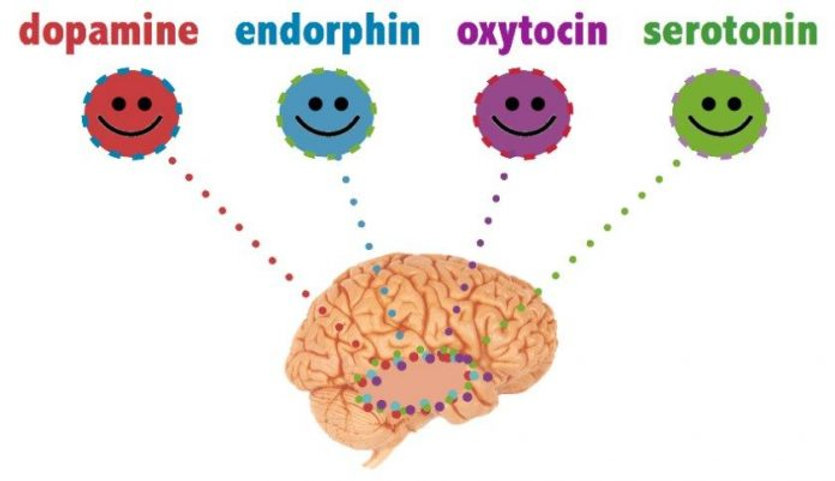
Hormones that determine financial behavior while making decisions under their influence

Payment methods Credits for consumption are getting rid of debt
Financial education for beginners – Cursvalutar.ro

What are the banking guarantees and what risks has a guarantor
Credit Bureau – Everything you need to know

Comfortable contract: taxes and exemptions
What they are and how it works
Strategies to withdraw money from investments
How to have a day without spending?