 Do you want to better understand what happens to your money and why do you change your purchase power from one month to the next? Discover below inflation: what it means, triggering mechanisms, calculation methods and inflation effects on the economy.
What is inflation and how it manifests itself in the economy
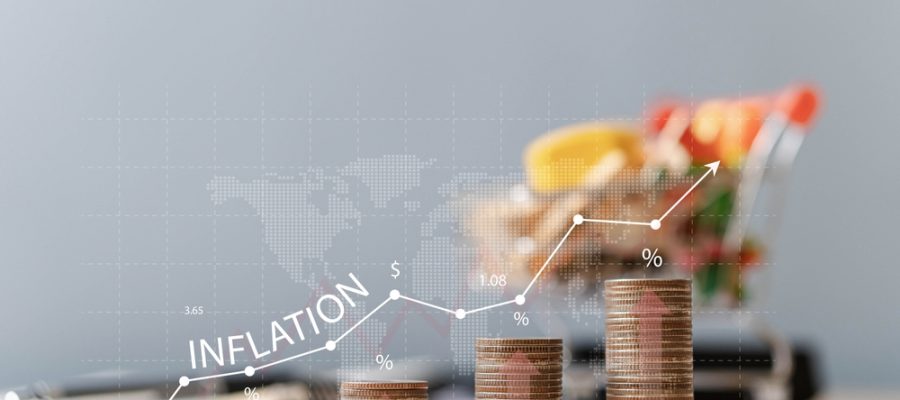
Inflation is defined as a general and continuous increase in the prices of goods and services in an economy for a period of time. When the general level of prices increases, each currency unit has a lower purchasing power, therefore inflation reflects the decrease in the purchasing power of the currency: a loss of the real value of the exchange and the unit of measurement within an economy. Inflation can have both negative and positive effects. On the negative side, inflation can erode the power to buy consumers and can create economic uncertainty. Among the advantages of moderate inflation are the stimulation of consumption and investments, reducing real debts.
Inflation should not be confused with deflation, which is its opposite. In the case of deflation, we are dealing with a general drop in prices. In addition, inflation is not the increase in the prices of specific goods or services, but a general increase in prices at macroeconomic level. Inflation can be caused by demand, when the demand for goods and services exceeds the ability of the economy to produce these goods or costs, when the production costs of goods and services increase. Inflation can also be influenced by external factors, such as fluctuations in the exchange rate or raw material prices.
Because inflation occurs
The first cause of inflation is the increase in the demand for goods and services in the economy on the production capacity, known as inflation of the demand. This phenomenon occurs when the demand is greater than the offer, which leads to the increase in prices. The second cause is the increase in production costs, such as the increase in salaries or the price of raw materials, which determine the increase in the prices of goods and services, called inflation of costs.
The devaluation of the currency can lead to inflation by increasing the prices of imported goods. If the currency of a country depreciates compared to other currencies, the price of imports increases, which can lead to a general increase in prices in the economy. Future inflation expectations influence economic behavior and can lead to inflation. If people expect greater inflation in the future, they require higher salaries or increase prices, thus creating self-admitted inflation.
Central banks play an essential role in controlling inflation through monetary policy. When central banks increase the interest rate, loans become more expensive, which encourages money to save money. By reducing demand, central banks can control inflation and maintain prices.
Types of inflation
Inflation based on demand It appears when the demand for goods and services exceeds the available offer, which leads to an increase in prices. This type of inflation can be the result of an economic boom or inadequate tax and monetary policies. For example, an example of inflation based on demand could be a sudden increase in the application for oil, which leads to an increase in prices.
Cost -based inflation is present when Production costs increase and producers transfer these additional expenses to consumers in the form of higher prices. This can be caused by the increase in labor costs, prices of raw materials or other production factors.
Built inflation It occurs when the production factors control prices. The effect consists in the increase in prices and in the unfair distribution of resources.
Hyperinflation It is an extreme form of inflation, characterized by a quick and continuous increase in prices. This phenomenon may have devastating effects on the economy, including the amortization of the currency, the decrease in purchasing power and general economic instability.
Methods of calculating inflation
Consumer Price Index (IPC)
The consumer price index (IPC) is a measure of the evolution of the prices of the goods and services purchased by families. Reflects the changes in the cost of living and the level of inflation received by consumers. To calculate the IPC, prices on prices are collected for a standard basket of goods and services, therefore compared to the reference prices of a basic period. The result is an index that shows the general variation of prices.
Price price index (IPP)
The price index (IPP) measures the price level for output for internal production on the internal and external market. Reflects prices in producers and can indicate inflationary pressures in the economy. The calculation of the IPPP provides for the collection of data on prices for the goods and services produced, followed by their comparison with the reference prices of a basic period.
Although IPC and IPP are inflation measures, they focus on inflation at different levels of economics. The IPC focuses on the prices perceived by consumers, while IPP focuses on the prices of producers. In addition, the variations of the IPP can anticipate future changes in the CPI, making it an indicator useful for analyzing inflationary trends.
Inflation rate – How to calculate and what it represents
The inflation rate plays a crucial role in the economy, being a macroeconomic indicator used to measure the general increase in prices in a period of time. The correct interpretation of the inflation rate provides valuable information on the state of the economy as a whole. For example, a high inflation rate shows rapid economic growth, but it can also report the risk of long -term economic or insurmountable inflation overheating. On the other hand, a low inflation rate indicates slow economic growth or even a recession at the level of a national economy.
An important aspect is the direct connection between inflation and purchasing power of the currency. An increase in the inflation rate means that prices increase, which leads to a decrease in power to buy money. For example, if inflation is 5% per year, it means that the same amount of money will be able to purchase only 95% of the goods and services that could have purchased the previous year. These represent indications on the standard of life and influence consumer decisions. Inflation can also influence the economies of the population, since the nominal values of the economies remain the same, while purchasing power is reduced.
The inflation rate is one of the main tools used by the central bank to establish monetary policy. A high inflation rate indicates the need for a restrictive monetary policy, to slow down the economy and reduce inflationary pressures. A low inflation rate requires a more relaxed monetary policy that stimulates economic growth.
Strategies for bargaining inflation: monetary and fiscal policy tools
Monetary policy and tax policy are two of the most important tools that a government can use to control inflation. Monetary policy refers to how the central bank of a state controls the offer of money by regulating the interest rate, the minimum reserve and other tools. Tax policy, on the other hand, includes the measures with which the government adapts the levels of expenses and taxes, to influence the national economy.
The central bank (BNR) uses various tools to control the amount of money in the economy and influence inflation. For example, by increasing the interest rate, the central bank reduces the demand for loans and, implicitly, the amount of money in the economy, which can help slow down inflation. In addition, by regulating the minimum compulsory reserve, the central bank can influence the liquidity of commercial banks. Therefore, the National Bank of Romania has control of the amount of money available for loans on the international change market, both in Europe and in other continents.
Through tax policies, governments influence the economy, adapt the levels of expenses and taxes. For example, the increase in taxes reduces the demand for goods and services, thus contributing to slowing down the inflation. In addition, expenses levels can be modified, to stimulate or limit economic activity and influence inflation. Consider the details presented and follows the evolutions in the economic, financial and foreign fields. In this way you make the best decisions on your personal budget, family or company.
latest posts published
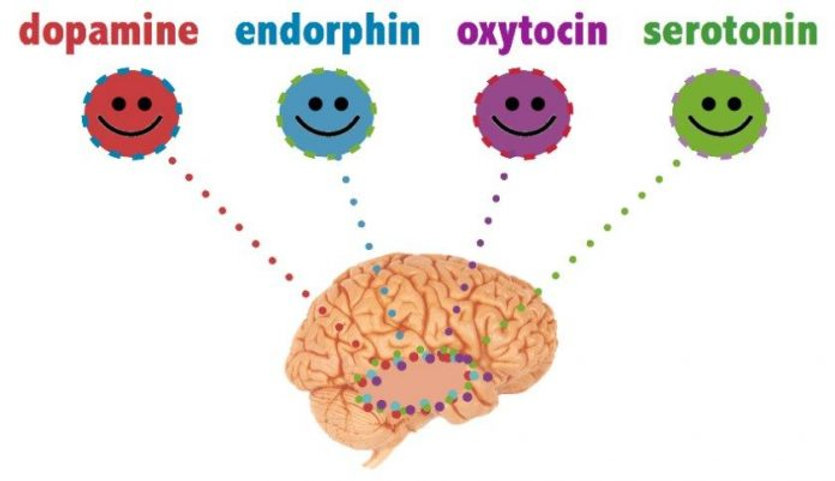
Hormones that determine financial behavior while making decisions under their influence

Payment methods Credits for consumption are getting rid of debt
Financial education for beginners – Cursvalutar.ro
What are the banking guarantees and what risks has a guarantor
Credit Bureau – Everything you need to know

Comfortable contract: taxes and exemptions
What they are and how it works
Strategies to withdraw money from investments
How to have a day without spending?