
The process of growing and reduced interest is closely correlated to another «inflation» economic phenomenon.

Inflation represents the percentage with which the prices of consumer goods increase from one period to another, at the same time reflecting the decrease in people’s purchasing power. Obviously not all prices increase the same, inflation is calculated in an estimated shopping basket but this is statistical.
So inflation is the difference between prices from one period to another. If in the first quarter the inflation was 5%and in the second quarter it is 3%, overall since the beginning of the year, we have an increase of 8%.
Why do prices increase?
We can consider the world economy as a simple market, some sell and buy, one man’s expenses are the income of another.
From Usually people produce, get money, «income» And then buy various «Expenses».
In theory you should only buy within the limit of the money they have.
But what happens when people have access to loans of economic/small interests?
They will buy goods that do not allow (sometimes they don’t need), more expensive or more, consuming their money from the future. If you translate this deed worldwide, see millions of people who spend more and more.
AND Since the economy is the market, a balance between buyers and sellers, when the demand is high, the sellers are in power.
It translates into an increase in prices and therefore inflation. If we add problems / blocks in the supply chain, cooked pandemic or war or any embargo, we have an even higher increase in prices.
When inflation becomes too high, the economy threatens and then the central banks enter.
The main actors are Fed (Central Bank of America) AND European Central Bank acting by increasing the reference interest. The central banks of the countries will transport this tendency to the local level.
The reference interest is the interest paid by commercial banks to the central bank for credits granted in the refinancing process.
Banks are entities of intermediation financial transactions, borrow money so that they pay interest and therefore give loans so that they earn interest, the difference is their profit (simplistically speaking).
By increasing the price with which banks are finished from the central bank and the interests with which banks borrow with each other, Ircc / Robor will further increase.
Robor is the average interest rate with which banks are willing to borrow other banks. Now it is no longer used in the concession of loans, but I said to mention it for those who have not gone to the IRCC.
The IRCC is the new reference index used in the calculation of variable interest rate loans. It is determined at the end of each quarter, as a weighted media of the daily interbank interest and the number of transactions made. The result is then applied for the entire next quarter.
Consumer credits in her are calculated IRCC / Robor + the bank margin (bank income).
This is how we have reached our rates and interests that we pay to the banks.
The arrest of the credit tap and the retreat of money in the market of central banks rebalances the balance of power.
Increased credit rates => there is no money for consumption => decreases in demand => buyers are lower than sellers => prices decrease.
Obviously, inflation decreases and the economy gives signs of return, we also see a decrease in dobans.
Why? It is the reverse phenomenon, the loan stimulates consumption and therefore the economy. All in the economy, as in life, is cyclical, alternating between periods of contraction and expansion.
Financial education helps us to understand the effects of macroeconomics in our personal life.
latest posts published
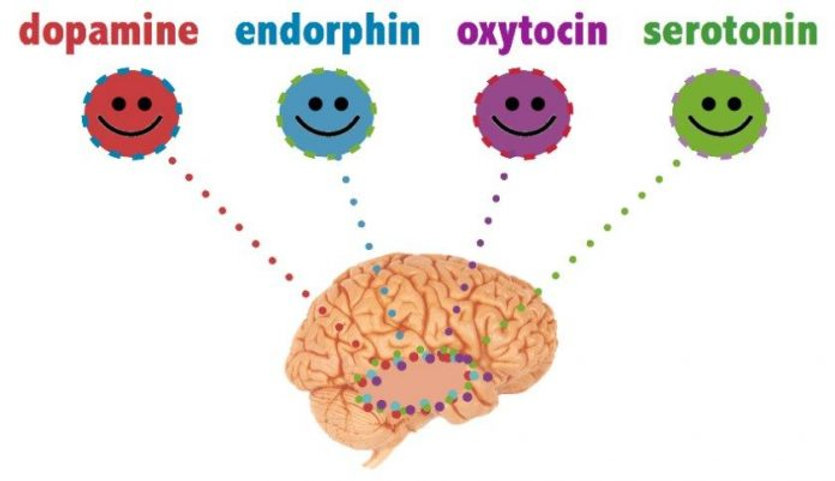
Hormones that determine financial behavior while making decisions under their influence
Payment methods Credits for consumption are getting rid of debt
Financial education for beginners – Cursvalutar.ro

What are the banking guarantees and what risks has a guarantor
Credit Bureau – Everything you need to know

Comfortable contract: taxes and exemptions
What they are and how it works
Strategies to withdraw money from investments
How to have a day without spending?