
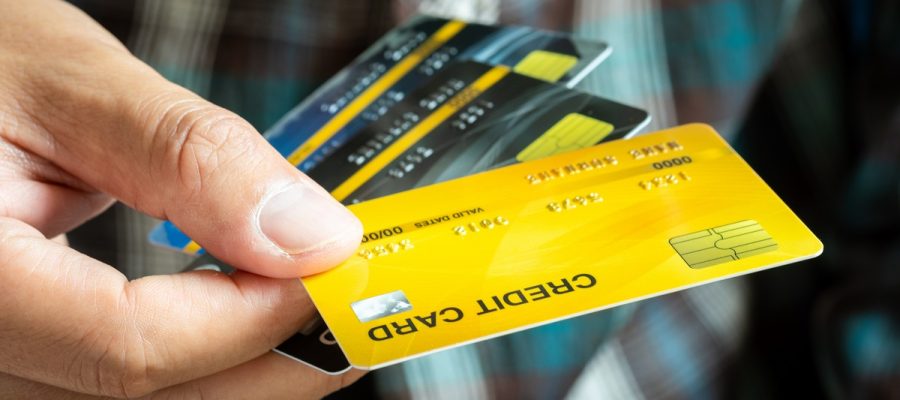
Bank cards have become the main tools you use to manage your personal finances. Two of the most used types of cards are the debit card and the credit card, each with unique characteristics, advantages and disadvantages. Discover the main differences between the two types of cards, to choose the best use of money, both in the country and abroad.
What is a debit card?
A debit card is an essential financial tool in the management of personal money, offered by banks and other financial institutions. It is used for daily transactions, such as merchants, cash samples or online purchases.
A debit card is an electronic card directly associated with a bank account. When making a payment or withdrawals, the amount is immediately deduced from the balance available in your bank account. This differentiates it from a credit card, in which payments are made based on a credit line offered by the bank.
Types of debit cards
There are different types of debit cards, from which you can choose, according to your needs:
- Standard debit cards – used for basic transactions and cash withdrawals;
- Contact without contact – allow quick payments simply by approaching the POS terminals, without entering the pivot for small amounts;
- virtual cards – created exclusively for online payments, without physical format;
- international cards – Allow use abroad, with further benefits, such as foreign conversion.
The advantages of debit cards
A debit card offers you many advantages:
Quick access to funds
Allow direct access to money from the current account without having to transport cash. You can carry out light cash withdrawals from automatic counters, available 24 hours a day, 7 days a week.
Safety in the use of money
It is safer than cash use, because in case of loss or theft, the paper can be blocked quickly. Most debit cards offer protective features against unauthorized transactions.
Financial control
Spend only the money you have in your account, avoiding the accumulation of debt, as in the case of credit cards. It offers the possibility of checking the balance and real -time transactions through mobile or internet banking applications.
Global use
Debit cards are accepted in many physical and online locations globally. Allows payments in different currencies and the conversion is carried out automatically by the bank. Debit cards can be used for online shopping, the payment of recurring invoices or subscriptions (e.g. streaming services).
Integration with modern technologies
The debit cards are compatible with digital wallets (e.g. Apple Pay, Google Pay). Therefore, it facilitates mobile payments.
Disadvantages of the debit cards
Debit cards are useful and convenient, but they are also with some disadvantages:
Lack of credit
Debit cards do not allow the use of a credit, which means that it is necessary to have funds in the account to carry out transactions. They are not suitable for situations where you need a short -term credit.
Without further advantages
Most debit cards do not offer prizes, cashbacks or other benefits similar to credit cards. It does not contribute to improving the credit score, as there is no mechanism of use to be used for credit offices.
Limitations to international transactions
There may be high commissions for the use of paper abroad. Not all debit cards are accepted globally, unlike some credit cards. Some companies prefer credit cards instead of debt for rent for rent, hotel reservations, as they offer greater safety for guarantees.
Commissions and taxes
There may be commissions for cash withdrawals from automatic branches of other banks or for the use of paper in other countries. Some banks apply monthly administration commissions or other hidden commissions.
What is a credit card?
A credit card is a financial instrument issued by a bank or credit institution that allows users to access a credit line to make cash payments or withdrawals. Unlike the debit cards, which use the user’s funds, credit cards use money borrowed, which must be reimbursed according to the set terms.
Types of credit cards
Credit cards can be classified on the basis of several criteria, including the purpose of use, the advantages offered and the user profile. Here are the main types of credit cards:
Types of credit cards according to the purpose of using
- Standard credit cards – provides basic shopping functions and payments;
- Co-Brand credit cards – issued by banking institutions in collaboration with a partner company (airlines, shops, service stations etc.) – offers loyalty or specific discounts;
- shopping cards – can only be used in some shops or commercial networks and obtain advantages such as exclusive discounts or interestless rates;
- travel cards -Ne performances such as aerial miles, access to Lounge Vip, travel insurance.
Types of credit cards after functionality
- Cashback cards – returns on paper each of the shopping value;
- Reward cards – Allow the accumulation of points for each transaction and the points can be used for discounts, vouchers or other advantages.
Other types of credit cards
- guaranteed cards – requires a warehouse as a guarantee and are recommended for those who build or restore their credit history.
- Cards without annual commissions – an economic option for users who prefer to avoid maintenance costs;
- Contact without contact – Allow rapid payments through NFC technology (communication on the neighboring field).
The advantages of credit cards
Credit cards offer many advantages that can simplify the management of personal finances:
Quick access to additional funds
You have the opportunity to make payments or purchases even when you do not have funds available in your current account. A credit card is useful in emergency situations such as unexpected repairs or medical expenses.
Period of grace without grace
Many cards offer a period of grace in which no interest is perceived for purchases made. You can use the card without additional costs, how much the amount due, during the specified period.
Building and improving the credit score
The responsible use of the credit card helps you to create a positive credit history. The good credit score facilitates the obtaining of future loans, such as mortgage loans or car loans.
Programs of prizes and benefits
For credit cards with cashback, you receive a percentage of the value of expenses, it is possible to accumulate points, which can be used for discounts, gifts or other benefits.
Greater safety
Transactions made with credit card are protected by advanced technologies, such as tokenization and authentication with two factors. In the case of fraudulent transactions, the banks offer protection and can reimburse lost amounts.
International use
Credit cards are widely accepted all over the world, being useful in international travel. Some credit cards offer advantageous exchange courses or eliminate commissions for international transactions.
Further advantages
Some credit cards offer you travel insurance, insurance for purchases or expansion of the guarantee of the products purchased. You have access to airport lounges, exclusive events or special offers. You can also benefit from discounts in hotels, restaurants or partner shops.
Financial flexibility
The credit card helps you manage the cash flow more efficiently stunningly. It is possible to pay the amounts due in full or in installments, depending on the budget.

Disadvantages of credit cards
Credit cards offer many advantages, but their use can also involve some disadvantages, especially if they are not managed in office
Great interest in unpaid hips
If you do not fully buy the amount due in the grace period, credit cards can apply high interests. The accumulated interest can significantly increase the total value of the debt. If you have more cards, it becomes difficult to follow the deadlines, the limits and monthly payments.
The temptation to spend more
The availability of a credit limit can encourage excessive or useless expenses. Minimum payments can create the illusion of a small debt, but in reality the total costs increase, due to the interest applied. Therefore, you can accumulate difficult to manage debts.
Taxes and commissions
Credit cards may involve additional costs, such as: annual administration fee and commissions for cash withdrawal. To these are added penalties to delay payments and taxes for foreign conversion, in the case of international transactions.
Negative impact on credit score
Delayed payments or excessive use of the credit limit can negatively affect the history of credit. A low credit score limits access to other forms of financing.
Risk of fraud and identity theft
Although credit cards have security measures, they are still vulnerable to computer attacks or copying paper data. There is a risk of fraudulent use, in case of loss or theft.
How to choose the right card for you
The choice between a debit card and a credit card depends on the financial needs and the habits of the shopping:
Choose a debit card If:
- You want to avoid the accumulation of debt.
- You prefer to use only the money available in your account.
- Do not concern your prizes or additional benefits.
Do you use debit cards? Monitor the balance and avoid the discovery of the account. Activate notifications for transactions for the benefit of greater safety.
Choose a credit card If:
- You need a credit line for unexpected expenses.
- You want to benefit from loyalty and prizes programs.
- You have a good credit score and you can manage reimbursements in office.
Do you use credit cards? Reimburse the entire amount due in the period of grace and avoids the excessive use of the credit limit. Read the terms and conditions of the paper carefully, to know all the commissions and interest applicable.
Both debit and credit cards have advantages and disadvantages. Your decision depends on how you prefer to manage your money. The responsible use of both types of cards contributes to financial stability and to avoid long -term financial problems.
latest posts published

8 consejos para ahorrar dinero de los fans de Swedbank
Short term loans: free cheese – only in mousetraps
What are the ten most popular excuses for late debt repayment?
Eight ways to earn extra with smart sharing
8 questions and answers on the division of assets
The dangers of virtual space: how not to fall into the trap
9 tips for responsible shopping | blog…lt
6 steps after divorce | blog…lt
9 Financial Promises for 2013 | blog…lt