

Coping mechanisms are strategies used unconsciously and/or consciously by a person to avoid, tolerate, decrease or remedy the negative impact that a stressful situation has on it (psychic and physical).
That is, as we face difficult situations.
The «stress» has a different meaning for each of us, involves a personal and intimate relationship with the external environment. Each evaluates life situations through their own filters (personal way to interpret reality) establishing if they exceed personal resources and skills.
What for a person can represent a crisis / project / unresolved situation impossible seen «through the eyes» of another person can be a whole.
All in life is perception.
Depending on the approach, the coping mechanisms can be divided into:
– Coping of the clash e

👎Avoidance coping: The strategies with which a person gives up, ignores thoughts and emotions on an event or minimize the importance of facing him.
In this sense, he uses «deception» strategies: ignore the problem in the hope that it will be solved by himself, refuses to believe what happens or to be involved in all types of activities that distract them from the source of stress.
The avoidance of coping can have a short -term beneficial effect, a break may be necessary to collect the forces necessary to solve the problem. In the long term, however, since the source of stress is still there and must be resolved, it only adds more emotional pressure and frustration.
Examples of avoidance cooking mechanisms: alcohol consumption, compulsive feeding, excessive smoke, dream/film/books/entertainment, purchases such as therapy, refuge on work, infinite personal development courses.
👍Coping of the clash It is that strategy with which the situation is addressed directly and resolved. The person faces the source of stress in order to remove/solve it.
It seems that in the face of difficulties we can choose to confront and, although painful, to solve the problems or to ignore / avoid / refuse and car -Sabon.
This choice is influenced by some Personality characteristics:
🌗 control locus, that is, how a person explains their success or failure, through internal or external causes:
An interior: man is convinced that the responsibility for failure or the merit for success lies in himself, in his defects, errors or skills, quality. That is, it is power and responsibility.
An exterior: man is convinced that positive or negative events in his life are due to external factors: destiny, destiny or intervention of others. I mean, he is just a victim of fate without power.
🌗 self -sufficiency, that is, the faith of a person in his ability to work on the emotional and behavioral resources necessary to successfully carry out the tasks received.
Greater self -sufficiency is associated with a higher motivation, a problematic problem, on analysis and on the search for solutions. I mean, I know they can find solutions.
A low self -sufficiency is associated with the fear of incompetence, failure and predisposition to anxiety (constant fear that one’s resources and abilities are not sufficient). I mean, I don’t think I am able.
🌗 Robustness or resistance is the resistance of all stress, unpleasant situations and pain. A man with high psychic robustness will perceive changes in life as normal, as challenges but not as victims. I mean, how resistant we are when things don’t come out as we want.
🌗 Car -testimone: the perception that everyone has in relation to his own value, a sort of measure of how automatic a person, appreciates or how much he likes.
🌗 The ability of optimism-man to face the future and experiences of life in a positive way.
That is, the tendency to see an empty or full part of the glass.
We were not born with these characteristics, although there is a genetic predisposition, they form during childhood, when our limbic system has memorized all the experiences and emotions experienced without a logical filter that forms neuronal reaction paths to stimuli. They are strongly influenced by the figures of the authority (parents, teachers, educators) who have trained / raised to us. An excellent alarm signal for parents! The good news is that these characteristics can change through a conscious effort.
From a financial point of view, How much does the coping mechanisms cost us?
Everyone can respond to how much money he spent to avoid the clash with some pain / sources of stress / situations of conflict.
How much money did you pay to «deceive» the subconscious that «at the moment» are you good?
The first stage: self -knowledge.
Take time to notice, you can see the various reactions you have surprised you with.
Applications for cars -Conocnence:
-
How do I react in a stressful situation?
-
How many times do I use a coping mechanism?
-
What is my favorite avoidance coping mechanism?
-
What do I try to really avoid, why I run?
-
Am I willing/ willing to pass through the discomfort of the clash with the source of stress?
Second stage: accept the pain.
Accepts the discomfort and deals with its source. Accept the responsibility of your facts and reactions.
Obviously it can be very painful at the beginning «look» the truth, but there is no disappointment without a previous deception.
Third phase: celebrate small victories.
Celebrate the passages even small facts on the path of change, they are steps forward !! Consistency and Costanța are the key to long -term success.
latest posts published
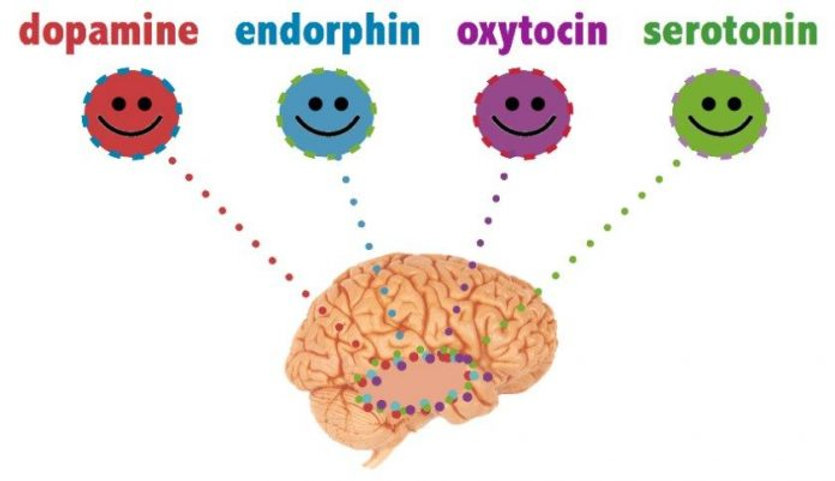
Hormones that determine financial behavior while making decisions under their influence

Payment methods Credits for consumption are getting rid of debt
Financial education for beginners – Cursvalutar.ro

What are the banking guarantees and what risks has a guarantor

Credit Bureau – Everything you need to know

Comfortable contract: taxes and exemptions

What they are and how it works
Strategies to withdraw money from investments

How to have a day without spending?